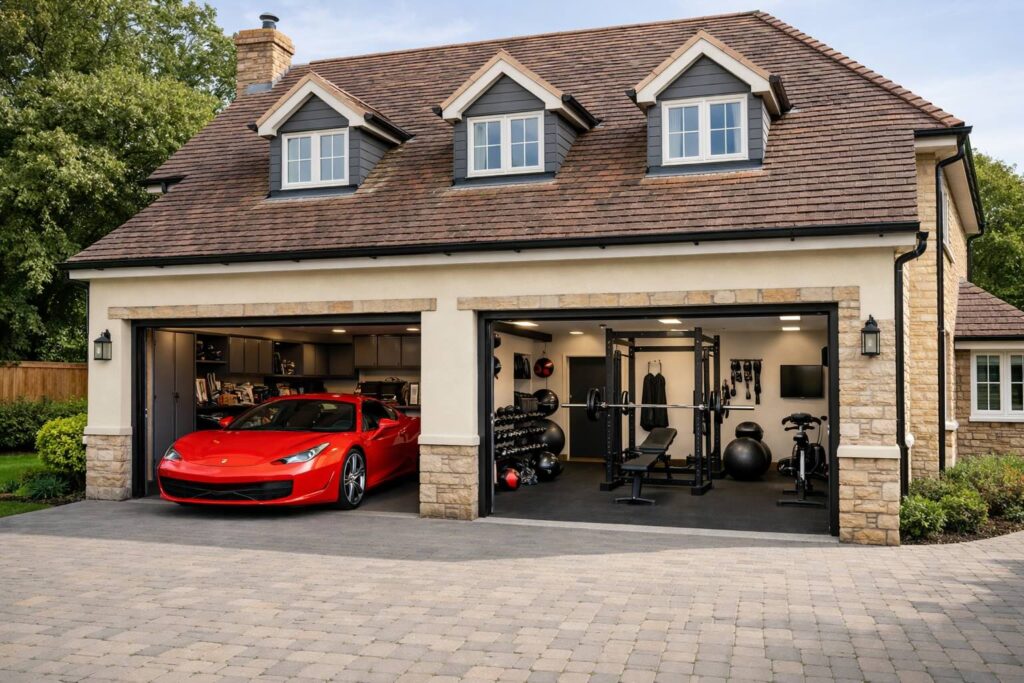
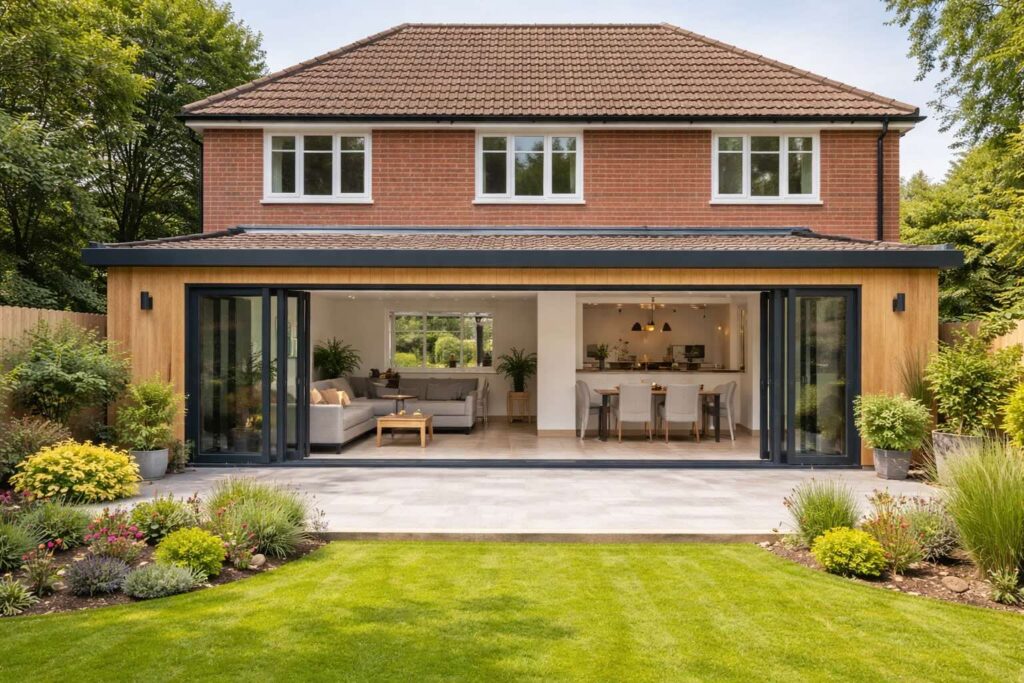
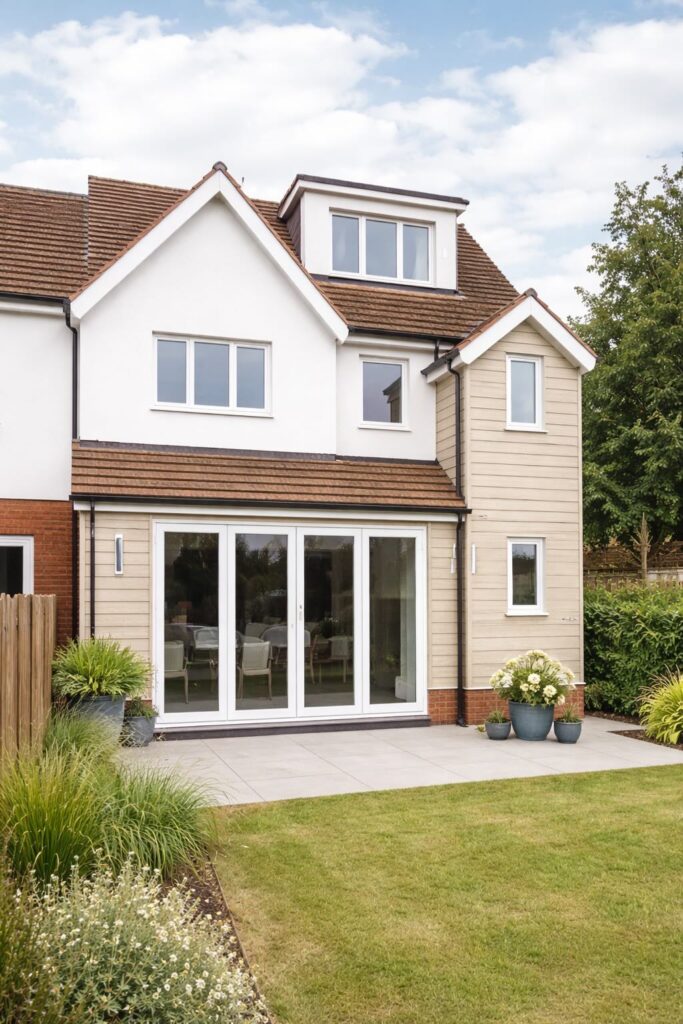
Did you know many homeowners can extend, convert or add a garden room without full planning permission? That is where permitted development comes in. I’m Joanne at Joanne Lees Interiors, and I help you make sense of the rules so you can maximise what is possible, without falling foul of limits on size, height, boundaries and design.
The catch is that one small detail can change everything, like a conservation area, an Article 4 direction, a listed building or needing prior approval. I can guide you through the early decisions, work alongside your architect or builder, and shape the layout, flow, lighting and finishes so your project is both compliant and genuinely works for how you live.
As an interior designer in Essex I specialise in knowing what your local area will and will not allow. Let’s talk today and find out what you can do within the permitted development rules on your home.
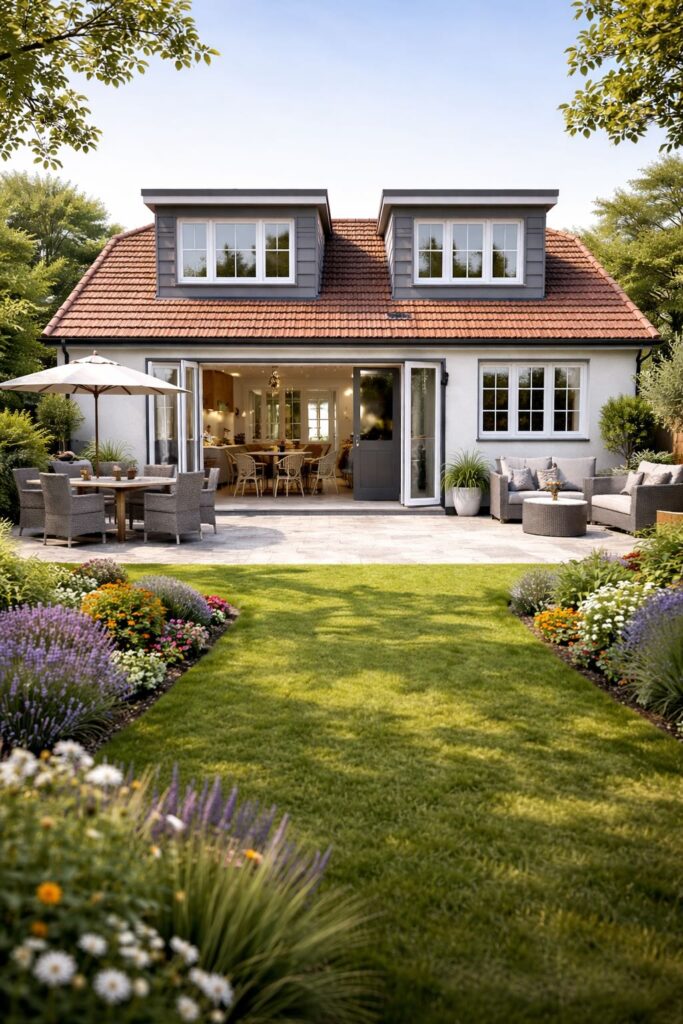
Permitted development rights are there to make home improvements simpler, letting many homeowners carry out certain works without needing to apply for full planning permission every time. That said, the rules are detailed, specific and they do not apply in the same way to every property, so it is important to understand the basics before you start.
Below are some of the questions I am most often asked about permitted development. The quickest way to get clear, reliable advice is to get in touch.
I can help you understand what is possible, what rules apply to your home, and what steps you need to take so you can move forward with confidence.
As the wife of a builder, I can also recommend trusted tradespeople to quote for the work and I manage the whole process rather than just the finishing touches. I am just as comfortable in boots and a hard hat, making sure the practical groundwork is right, as I am shaping the final vision.


Permitted Development is a pre-approved route for certain works within set limits. Planning permission is a formal application where the council assesses the proposal in full, including wider design and planning considerations.
Prior approval is a formal process within certain types of Permitted Development where the council must approve specific details before you start work. It commonly applies to some larger rear extensions and other defined development types.
Often, yes, if it stays within the rules on depth, height, boundaries, and design. Larger rear extensions may still be possible but can require prior approval.


In a conservation area, some works that are normally allowed can be restricted, especially if they affect the external appearance of the property or are visible from the street. You may need planning permission for changes that would be permitted elsewhere.
A Lawful Development Certificate is written confirmation from the council that a project is lawful under Permitted Development or otherwise lawful in planning terms. It is not always required but is often worth getting for peace of mind, and it can help when selling or remortgaging.
Very often, yes. Building regulations cover safety and performance, including structure, insulation, fire safety, drainage and electrics. Planning and building regs are separate.
The Party Wall process can apply if you share a wall with a neighbour, build on or near a boundary, or excavate near neighbouring structures. It is separate from planning and can involve serving notices and agreeing terms before work starts.
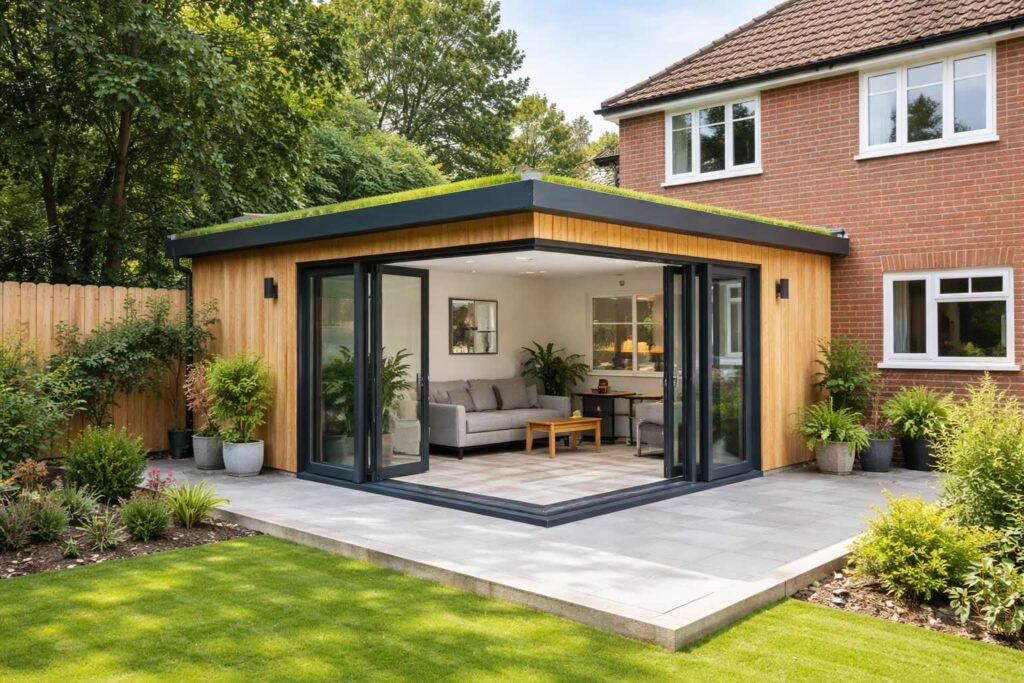
Often yes, as long as it meets rules on height, footprint, position within the garden, and use. Outbuildings should usually be incidental to the home and not used as a separate dwelling.
Assuming it is automatic. The most common issues come from not checking restrictions like Article 4, conservation area rules, previous extensions, or requirements for prior approval, and then designing or building before confirming compliance.
Check if you need planning permission with Chelmsford Council.